Conveyor Screw Manufacturers in India
Conveyor Screws made to your drawing or sample at our Gujarat unit, supplied across India and exported.

Asar Engineering Pvt. Ltd. Gandevi, Gujarat
- Flights and threads made to your drawing
- Material matched to the product handled
- Old screw accepted as a sample
- Supplied across India and exported (IEC registered)
Screw Conveyor Flights Made to Your Trough
Asar Engineering is a conveyor screw manufacturer in India, making screws for screw conveyors to customer drawing or sample at its manufacturing unit in Gandevi, Gujarat. A conveyor screw, also called an auger or screw flighting, is the rotating part of a screw conveyor. It consists of a helical blade (the flight) fixed to a central shaft or pipe, or a flight without a central shaft. It runs inside a stationary trough or tube and moves bulk solids, powders, grains and semi-solid materials along the conveyor.
Conveyor screws work on the Archimedes' screw principle. The weight of the material and its friction with the trough stop it from simply turning with the screw, so the rotating flight pushes it forward along the conveyor.
Since 2015, Asar Engineering has made power transmission and material-handling components for industrial plants. Conveyor screws are made in different flight types, pitches, materials, diameters and shaft arrangements to suit the material conveyed and the conveyor layout.
Screws are supplied for bulk material conveying, processing, mixing and waste-handling systems, from one-off replacements to batch orders.
What is a Conveyor Screw?
A conveyor screw is a helical conveying element that moves bulk material through a trough or enclosed tube as it rotates. It usually has a helical flight welded to a central pipe or shaft. Shaftless versions are used for materials that would wrap around a conventional shaft.
As the screw turns, the face of the flight pushes against the material in the trough. The flight, the material and the trough surface together produce the forward movement.
Unlike a gear or sprocket, a conveyor screw does not engage a mating part. Conveying depends on the rotating flight, the weight of the material and the friction between the material and the trough.
How a Conveyor Screw Moves Material
A conveyor screw moves material by a controlled sliding action.
As the shaft rotates:
- Material enters the conveyor trough or inlet.
- The rotating flight contacts the accumulated material.
- The flight pushes the material forward.
- Material weight and friction with the trough stop it from rotating with the screw.
- The material progresses along the conveyor.
- Continuous rotation produces a steady conveying process.
The conveying rate depends on screw pitch, diameter, speed, inclination, trough loading and the properties of the material.
Helical Flighting
The flight is the helical blade that contacts and pushes the material. Its geometry is changed to suit the conveying duty.
Flight configuration affects:
- Material movement
- Conveying capacity
- Inclined conveying performance
- Mixing action
- Material retention
- Wear characteristics
- Suitability for cohesive materials
Different flight types are therefore used for standard conveying, heavy-duty handling, mixing, agitation and difficult materials.
Applications of Conveyor Screws
Conveyor screws are used wherever powders, grains, bulk solids, semi-solids and waste need to move along a controlled, enclosed path, including cement, sugar, chemical, fertiliser, food, steel and power plants.
Grain Handling
Screw conveyors are well suited to grain and other agricultural bulk materials. Standard flights give continuous movement through processing and storage systems.
Powder Handling
Conveyor screws move cement, fly ash, lime and other industrial powders. The enclosed trough or tube keeps dust in.
Food Processing
Screw conveyors carry bulk ingredients such as flour, sugar and spices in food plants. Stainless steel construction is normally used for food contact.
Chemical Processing
Screw conveyors move powders, granules and other process materials in chemical and fertiliser plants. Material of construction must suit the chemicals involved.
Waste Management
Shaftless conveyor screws are useful for irregular, tangled or stringy waste that would wrap around a central shaft.
Municipal Solid Waste Handling
Shaftless spirals are used in municipal solid waste handling, where irregular shapes and entanglement make shafted designs hard to run.
Wood and Biomass Handling
Wood chips, bagasse and biomass can contain long or irregular pieces that wrap around a shaft. Shaftless screws are a good alternative here.
Sludge and Semi-Solid Handling
Ribbon and shaftless screws suit sticky, cohesive or semi-solid materials, such as sludge, that build up on conventional flights.
Industrial Material Handling
Conveyor screws also move bulk materials between process stages in manufacturing and processing plants.
Common Types of Conveyor Screws
Conveyor screws are classified by flight construction, flight geometry and shaft arrangement.
Helicoid Flighting
Helicoid flighting is cold-rolled from a continuous steel strip into a seamless helix, which is then welded to the centre pipe.
Because the strip is stretched during rolling, the flight is thinner at the outer edge than at the root next to the pipe.
Helicoid flighting suits standard conveying of grains and light powders. Its continuous surface conveys smoothly and it is usually an economical choice.
Sectional Flighting
Sectional flighting is made from flat plate discs, each cut and formed into a single-turn spiral, then butt-welded together on the pipe.
Unlike helicoid flighting, sectional flights keep a uniform thickness from root to outer edge.
It is commonly used for:
- Heavy-duty conveying
- Thick-gauge flighting
- Large-diameter screws
- Abrasive material handling
- Applications requiring robust flight construction
Flight thickness and material are selected for the expected load and wear.
Standard-Pitch Conveyor Screw
A standard-pitch (full-pitch) screw has a pitch approximately equal to the screw diameter. It is the usual choice for horizontal conveying.
It gives consistent conveying for a wide range of bulk materials.
Short-Pitch Conveyor Screw
Short-pitch or half-pitch flighting has a pitch smaller than the screw diameter, typically about half of it.
The closer flights reduce material fallback, so they are used on inclined conveyors and in feeders where controlled flow is needed.
Ribbon Flighting
Ribbon flighting leaves an open space between the inner edge of the flight and the shaft. It suits cohesive or sticky materials.
The open space reduces build-up of sticky material between the flight and the shaft.
Ribbon screws suit materials such as:
- Wet sludge
- Sticky process materials
- Pasty substances
- Dough-like materials
- Cohesive industrial products
Cut and Folded Flighting
Cut and folded flighting has regular notches, cuts or folded tabs in the flight.
This breaks up the straight flow and adds agitation, so these flights are used where material must be mixed, blended or aerated while it is conveyed.
Shafted Conveyor Screw
A shafted conveyor screw has its flight fixed to a rigid central shaft, usually a hollow pipe or, for smaller screws, a solid shaft.
Long conveyors need intermediate hanger bearings to support the screw and limit deflection.
Shafted screws are the standard choice for bulk materials that do not wrap or tangle.
Shaftless Conveyor Screw
A shaftless conveyor screw has no central shaft. The spiral is a heavy, stiff flight that rests on a replaceable low-friction liner in the bottom of the trough.
Without a shaft, there is nothing for stringy, tangled or irregular material to wrap around.
Applications can include:
- Wood chips
- Municipal solid waste
- Stringy waste
- Sludge
- Irregular industrial waste
- Cohesive materials
This makes shaftless screws well suited to difficult waste-handling applications.
Core Components of a Screw Conveyor
A screw conveyor has several parts that work together to move material.
Screw Flight
The flight is the main helical conveying element. It pushes the material through the conveyor.
Its thickness, diameter, pitch and form vary with the application.
Central Shaft
In shafted screws, the shaft or centre pipe supports the flight and transmits torque from the drive to the screw.
It may be hollow or solid, depending on the design.
Trough
The trough is the fixed U-shaped channel in which the screw turns. It holds the material while the flight pushes it forward.
Enclosed Tube
Some screw conveyors use a closed tube instead of an open U-trough. Tubes are common for inclined and vertical conveyors and for dusty materials.
Hanger Bearings
Long shafted screw conveyors need intermediate hanger bearings to support the screw and limit deflection over long spans.
Low-Friction Liner
Shaftless screws run on a low-friction liner fitted in the bottom of the trough. The liner supports the spiral and is replaced as it wears.
Drive Assembly
The drive, usually a geared motor, turns the screw. It is sized for the screw dimensions, speed, material and required capacity.
Inlet and Discharge
The inlet is where material enters the conveyor, and the discharge is where it leaves at the required point.
Conveyor Screw Supplier in India
As a conveyor screw supplier in India, Asar Engineering supplies screws for bulk solids, powders, grains, semi-solids and difficult materials. The properties of the material and the conveyor layout are the key factors in selecting a conveyor screw.
Flight type depends on the duty. Helicoid flighting is smooth and economical for standard conveying, while sectional flighting suits heavy-duty and large-diameter screws.
Flight geometry also depends on the material and conveying direction. Standard-pitch screws are used for horizontal conveying, and short-pitch screws where fallback must be reduced. Ribbon flights give clearance for sticky or cohesive products, and cut and folded flights add mixing while conveying.
Shaft arrangement is another factor. Shafted screws suit most conveying duties, while shaftless screws suit stringy, tangled and irregular materials.
Asar Engineering makes each screw to drawing or sample, considering:
- Material type
- Material consistency
- Conveying direction
- Screw diameter
- Flight pitch
- Flight thickness
- Shaft arrangement
- Conveyor length
- Operating environment
- Wear requirements
- Required conveying function
- Maintenance requirements
Benefits of Using Conveyor Screws
Continuous Material Conveying
Conveyor screws move bulk material continuously along a controlled route.
Suitable for Bulk Solids
They handle grains, powders, granules, semi-solids and other bulk materials.
Multiple Flight Configurations
Different flight types adapt the screw to standard conveying, inclined conveying, sticky materials, mixing and agitation.
Heavy-Duty Flight Options
Sectional flighting gives a robust screw for heavy-duty, thick-flight and large-diameter applications.
Shaftless Handling Capability
Shaftless designs handle materials that would wrap around a central shaft.
Enclosed Material Movement
Screw conveyors run inside enclosed troughs or tubes, which keeps dust in and protects the material.
Flexible Pitch Selection
Standard and short pitch are selected to suit the conveying direction and material.
Combined Conveying and Mixing
Cut and folded flights add agitation, so one screw can convey and mix at the same time.
Conveyor Screw Specifications
| Specification | Typical Options |
|---|---|
| Product Type | Conveyor Screw / Auger / Screw Flighting |
| Main Function | Continuous transportation of bulk materials |
| Flight Types | Helicoid, sectional, ribbon, cut and folded |
| Pitch | Standard (full) pitch, short/half pitch, variable pitch |
| Shaft Configuration | Shafted or shaftless |
| Materials Handled | Bulk solids, powders, grains, semi-solids, sludge, waste |
| Construction | Mild steel, carbon steel, abrasion-resistant steel, stainless steel (SS 304/316), as per application |
| Conveyor Housing | U-shaped trough or enclosed tube |
| Shaft | Hollow pipe or solid shaft where applicable |
| Support | Hanger bearings for applicable long shafted conveyors |
| Liner | Low-friction liner for applicable shaftless designs |
| Applications | Grain, food processing, cement, chemicals, fertilisers, sugar, waste, biomass, sludge, industrial handling |
| Design | Made to drawing or sample |
| Customization | Diameter, pitch, flight thickness, shaft arrangement, material, and configuration |
Conveyor Screw Exporter from India
Asar Engineering is an IEC-registered conveyor screw exporter from India and supplies conveyor screws and screw conveyor parts across India. For export orders, the screw is made to suit the material conveyed, the conveyor layout and the operating conditions.
Flight type is chosen for the duty: helicoid for conventional conveying, sectional for larger and heavier duty, ribbon for cohesive materials and cut and folded for mixing.
Shafted screws suit most standard conveyors, and shaftless spirals suit stringy, knotted and irregular materials that tend to wrap around a shaft.
Why Choose Asar Engineering
Made to Drawing or Sample
Conveyor screws are made to your drawing, or copied from a worn screw, including end shafts and coupling details.
Manufactured in Gujarat
Screws are made at our own manufacturing unit in Gandevi, Gujarat, on National Highway 48.
Flight Type Matched to the Material
Helicoid, sectional, ribbon, cut and folded, shafted or shaftless: the flight is chosen for the material and conveying duty.
Material and Hardness Matched to the Application
Mild steel, abrasion-resistant steel or stainless steel is selected for the load, abrasion and environment. Drive shaft journals can be induction hardened in-house.
Inspection Before Dispatch
Diameter, pitch, straightness and end-shaft dimensions are checked before dispatch.
One-Off to Batch Quantities
From a single replacement screw for a breakdown to batch orders for conveyor builders.
Supply Across India and Export
Asar Engineering supplies customers across India and takes export orders (IEC registered).
This product is part of our industrial screw range, made at our unit in Gujarat and supplied across India.
Related products: Industrial Gearbox, Helical Gearbox, Worm Reduction Gearbox, Feed Screw.
Get a Quote for Conveyor Screws
Looking for a conveyor screw manufacturer in India? Send your drawing or sample, the material conveyed, required capacity and quantity to Asar Engineering. We make conveyor screws in Gujarat, supply across India and take export orders.
Get an accurate quote
What to Send for Your Conveyor Screw Quote
- Outer diameter, pitch and flight thickness
- Overall length, shaft or pipe size and end connections
- Material handled and required capacity
- For extruder screws: barrel bore and L/D ratio
- Quantity and the date you need the parts
Have a drawing, a sample or a worn part?
Send it with the quantity. We reply with material, hardness, price and delivery time.
Industries That Use Our Conveyor Screws
Material, hardness and fit are chosen for the duty the part will see in your plant.
-
Plastics & Extrusion
Conveyor Screws for extruders and compounding lines.
-
Food Processing
Conveyor Screws for processing, conveying and packing lines.
-
Chemical & Process
Conveyor Screws for pumps, mixers and agitators.
-
Cement
Conveyor Screws for kiln, mill, crusher and conveyor drives.
-
Mining & Material Handling
Conveyor Screws for belt conveyors, crushers and bucket elevators.
-
Machine Builders (OEM)
Conveyor Screws for new machines, made to your drawing.
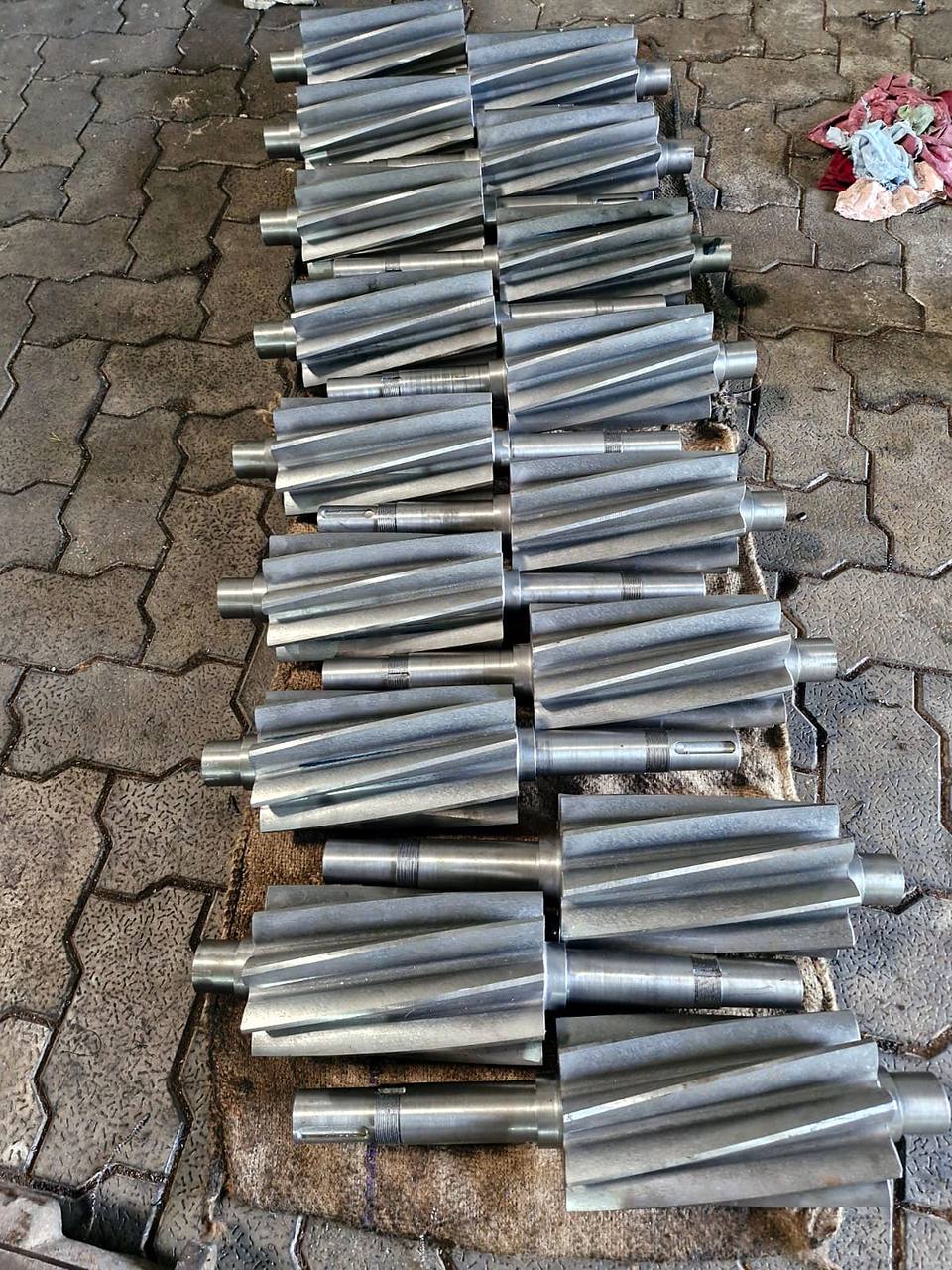
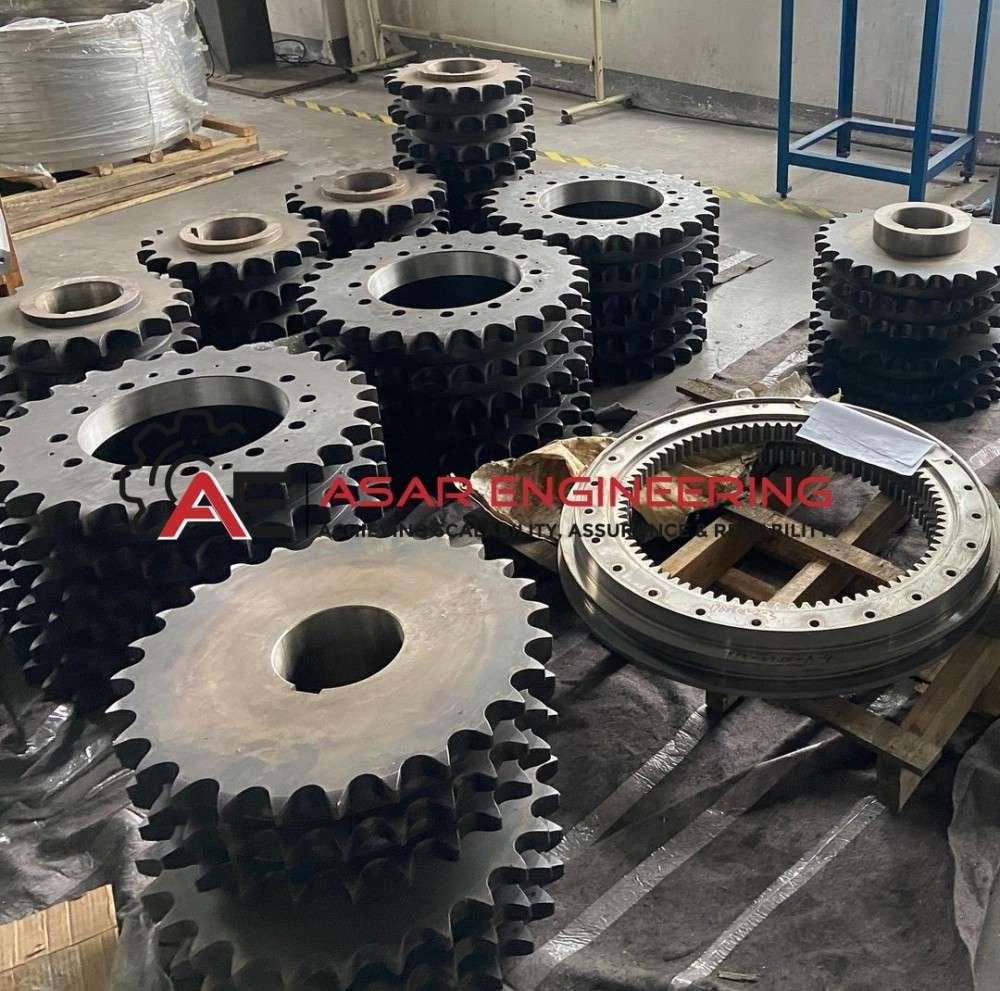
Our Conveyor Screws and Recent Work
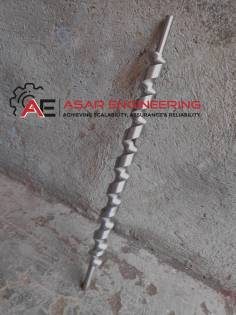
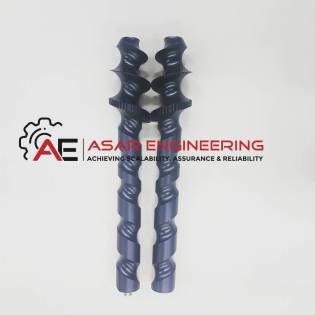
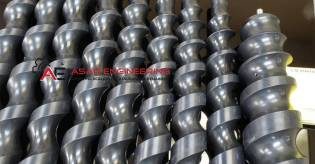
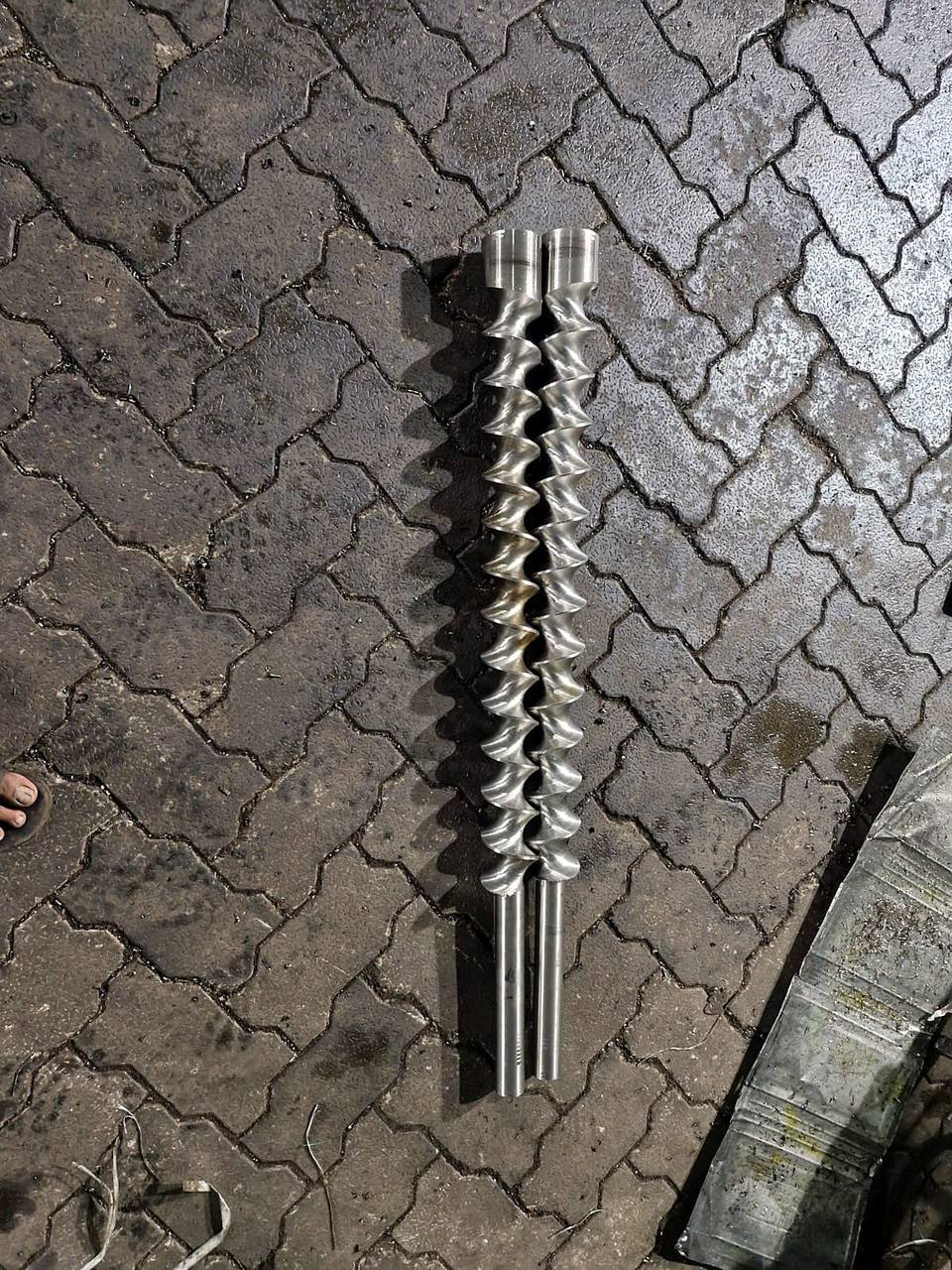
Photos of parts made and dispatched from our unit, not stock images.


Machining Videos from Our Shop Floor
Short, uncut clips of gear cutting, hobbing and machining at our unit in Gujarat.


What Our Customers Say
Reviews left on our Google Business Profile, shown word for word.
I bought a single screw extruder from asar engineering pvt.ltd. It's been a game changer for my manufacturing process. The extruder is efficient, easy to operate and built to last. Their customer is excellent and they guided me well through installation and setup. Highly recommended!
Asar Engineering supplied gearbox components for one of our industrial applications. The dimensional accuracy, finishing, and overall performance were satisfactory. We particularly appreciated their technical understanding and ability to suggest suitable solutions based on our operating requirements.
We have been sourcing industrial gearboxes from Asar Engineering Pvt. Ltd. and are satisfied with the product quality and consistency. The gearboxes are well-built, perform reliably under continuous operation, and were supplied according to our required specifications. Their team was also responsive during technical discussions and order coordination.
Conveyor Screw FAQs
Questions buyers usually ask us before sending an enquiry for conveyor screw.
Should I use helicoid or sectional flighting for my conveyor screw?
Helicoid flighting is rolled from one strip, so it is thinner at the outer edge; it is smooth and economical for grain and light powders. Sectional flighting is built from formed plate discs with uniform thickness, and suits heavy-duty, large-diameter and abrasive conveying such as cement, ash or bagasse. We choose the conveyor screw flight from the material and capacity you give us.
When is a shaftless conveyor screw better than a shafted one?
A shaftless conveyor screw has no centre pipe, so stringy, tangled or irregular material such as municipal waste, wood chips or sludge has nothing to wrap around. The heavy spiral runs on a replaceable low-friction liner in the trough. For free-flowing bulk solids that do not tangle, a shafted screw with hanger bearings on long runs is the normal choice.
What should I tell you to get a conveyor screw made?
Send the drawing or old screw with outside diameter, pitch, flight type and thickness, pipe or shaft size, length and number of sections, end shaft, keyway and coupling bolt details, material of construction, and quantity. Tell us the material conveyed, required capacity, whether the conveyor is horizontal or inclined, and whether it runs in a U-trough or tube.
Can you rebuild or copy a worn conveyor screw from our plant?
Yes. We copy a worn conveyor screw from the sample, measuring the flight, pitch, pipe, end shafts and coupling holes so the new screw fits the existing trough, hangers and drive. We can also change the flight thickness or material, for example to abrasion-resistant steel or stainless steel, and induction harden drive shaft journals in-house at Gandevi.
Do you supply conveyor screws to other states and to conveyor builders?
Yes. We make conveyor screws at our Gandevi, Gujarat unit and supply them across India, from a single breakdown replacement to batch orders for conveyor builders. We are IEC registered and take export orders made to the material conveyed and conveyor layout. Before dispatch we check the diameter, pitch, straightness and end shafts.
How We Make Your Conveyor Screws
- Send your requirementDrawing, sample or photos of the conveyor screw, with the quantity you need.
- Technical check and quoteWe confirm material, hardness and tolerances, then send price and delivery time.
- Manufacturing and inspectionMade at our Gandevi unit; dimensions are checked before dispatch.
- DispatchPacked for road transport across India, or for export shipment.
Companies We Supply



























Need Conveyor Screws made to your drawing?
Send the drawing or a sample with the quantity. We supply across India and take export orders.